Dear Friends,
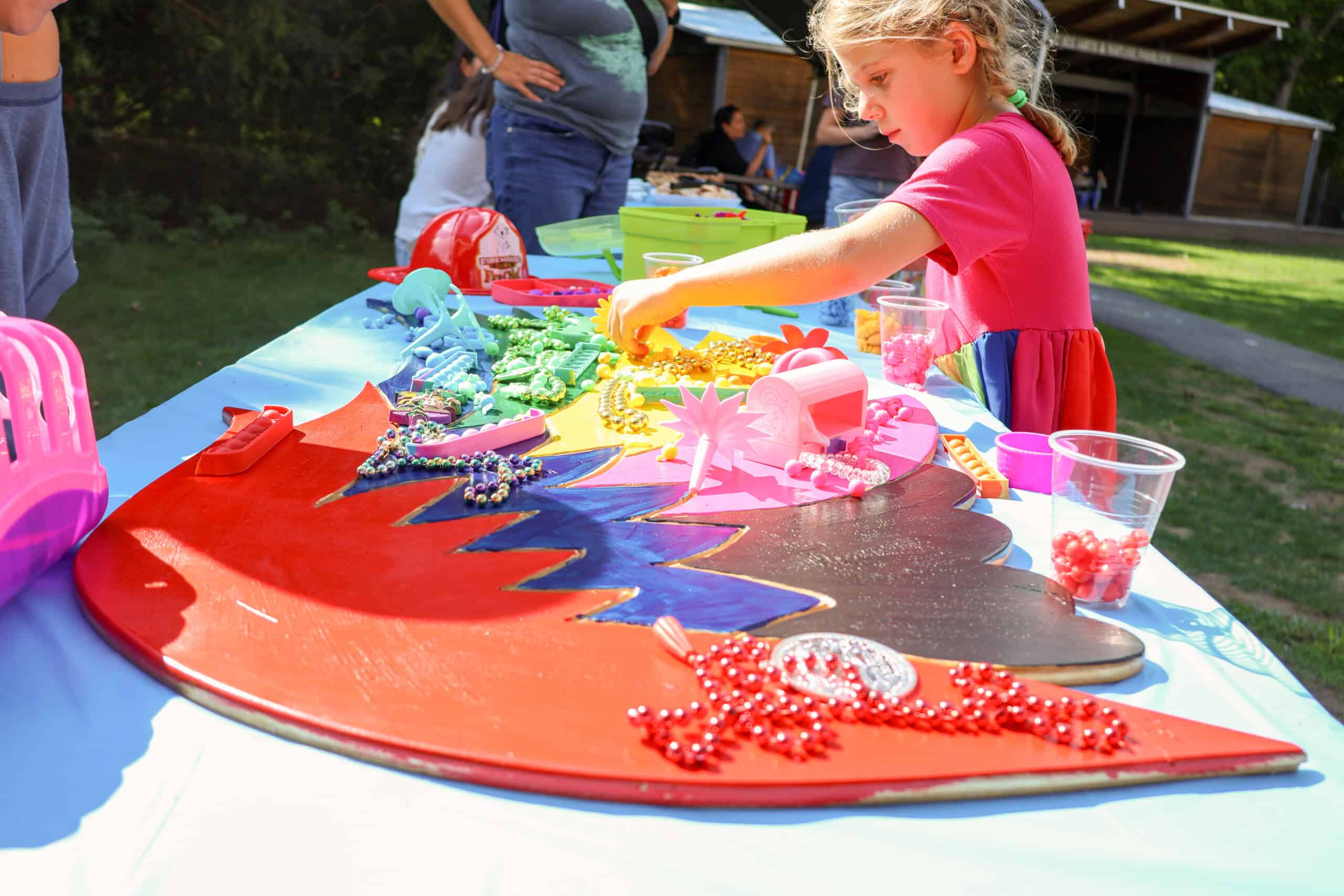
One of the best afternoons of my summer was spent at Camp Grossman with my colleague Jenna, interviewing small groups of campers about their experience. Though the kids had many suggestions about how camp could be even better, what stood out was just how loved they feel. One fourth grader said, “Something I really love about camp is how when you’re not feeling great or you feel like giving up, there’s always, always a friend or a counselor to pick you up." Another, a fifth grader who doesn't come from a Jewish family, but has been attending camp since kindergarten shared, “I think something that’s really Jewish about this camp is that they welcome everyone." You could eat these kids up with a spoon. Our abiding interest is the long-term impact of camp on our campers and their families, so we asked them what they would still remember ten years from now. One camper captured the overall sentiment beautifully, saying, “[it's] kind of like a feeling how whenever I leave camp and then come back the next year, my friends all, like, still remember me."
In that spirit, as we approach Rosh Hashanah, I am thinking a lot about memory and what stays with us. Another name for Rosh Hashanah is Yom Hazikaron, the day of remembrance. This year, Rosh Hashanah coincides with the 25th anniversary of September 11, and we are also almost three years past 10/7. These major watershed moments are so significant that many of us remember in acute detail where we were, who we spoke to, and what we felt, minute by minute. At the same time, so often when we remember happy moments or experiences, we remember them like our campers, as feelings of well-being and general contentment, and as having gone by so quickly. Our memories are quixotic. They can be precise and imperfect, communal and intensely personal. They also make us who we are.
My friend and teacher, Rabbi Adina Allen, wrote a beautiful reflection on Rosh Hashanah that brings these ideas together. She writes that on Rosh Hashanah, "remembrance is ... a powerful form of creativity. To remember is to inhabit the landscape of our past, to see what’s there and to allow it to change. Memories are not static and fixed. They are alive. And as we engage them, they shift and change. The picture of our lives is made new." In other words, as we stand on the thin boundary between the old year and the new, we have the opportunity to look backwards and forwards simultaneously, to mine our memories of the past year as the raw material for the kind of year we want to have ahead, and the kind of people we seek to become. One of the great blessings we have as a community is that none of us is alone on that journey of remembering and becoming. Instead, like our camper said so beautifully, each year, we have the opportunity to remember with and alongside the people we care about.
I am entering the new year filled with gratitude for the JCC, and for all of you who help us make meaningful moments, memories, and relationships here. I hope this new year is filled with purpose, sweetness, and joy for you and all of your loved ones.
Shana tovah,
Lily